Three St. Louis Residential Projects That Set the Standard in 2025
As 2025 wrapped up, we took a step back to review a handful of residential projects that stood out across the St. Louis market — including both new construction and large-scale renovations. While each home had its own design story, what truly set these projects apart were the thoughtful, builder-led decisions around layout, materials, and buyer experience.
These three projects reflect what builders did right in 2025: creating homes that photographed beautifully, showed confidently, and helped buyers immediately understand how the space was meant to live. Rather than focusing on trends alone, each home prioritized clarity, functionality, and a cohesive design approach — factors that continue to matter in today’s market.
Project #1: Custom New Construction in Kirkwood
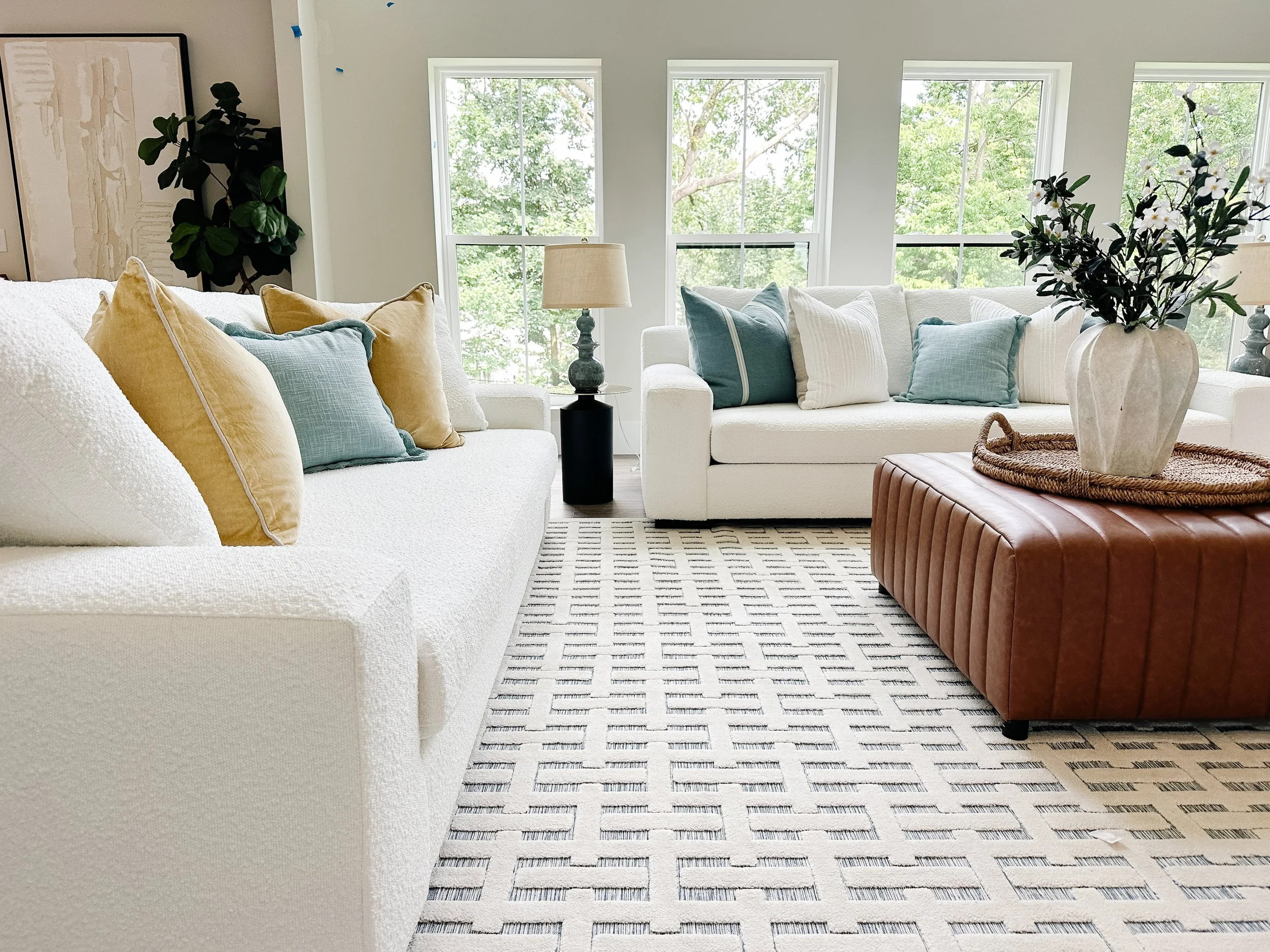
The Home
This brand-new luxury 1.5-story home in Kirkwood offered over 4,100 square feet of thoughtfully designed living space on a third-acre-plus lot. Built by Rombach Homes, the property showcased high-end custom details and quality craftsmanship with strong curb appeal. Listed and sold by Nikki Weddle with the Nations Network.
What Worked
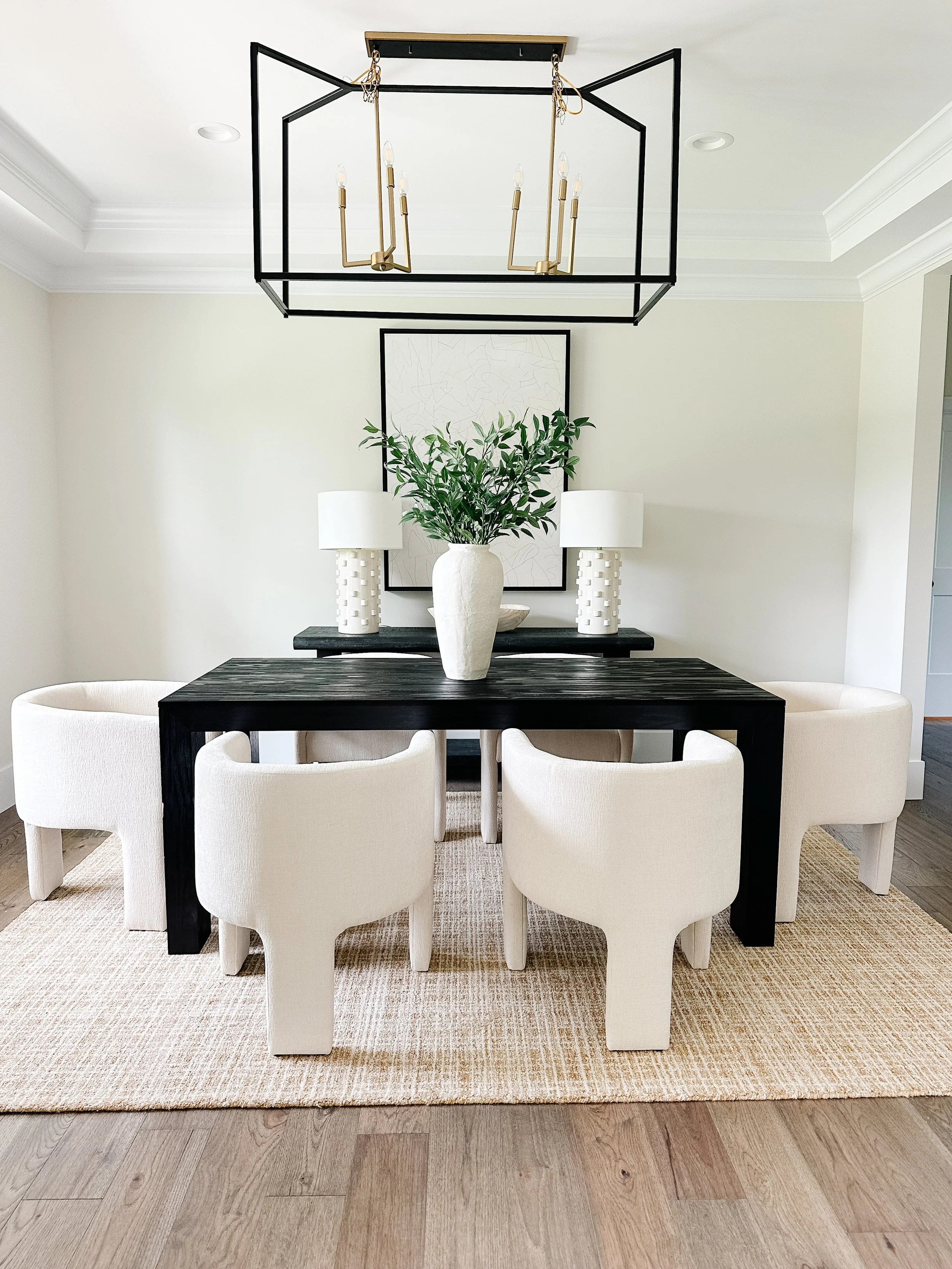
A formal dining room that set the tone immediately. The dedicated dining space featured an oversized black-and-gold statement chandelier that felt both dramatic and refined, signaling a custom, luxury experience as soon as buyers entered the home.
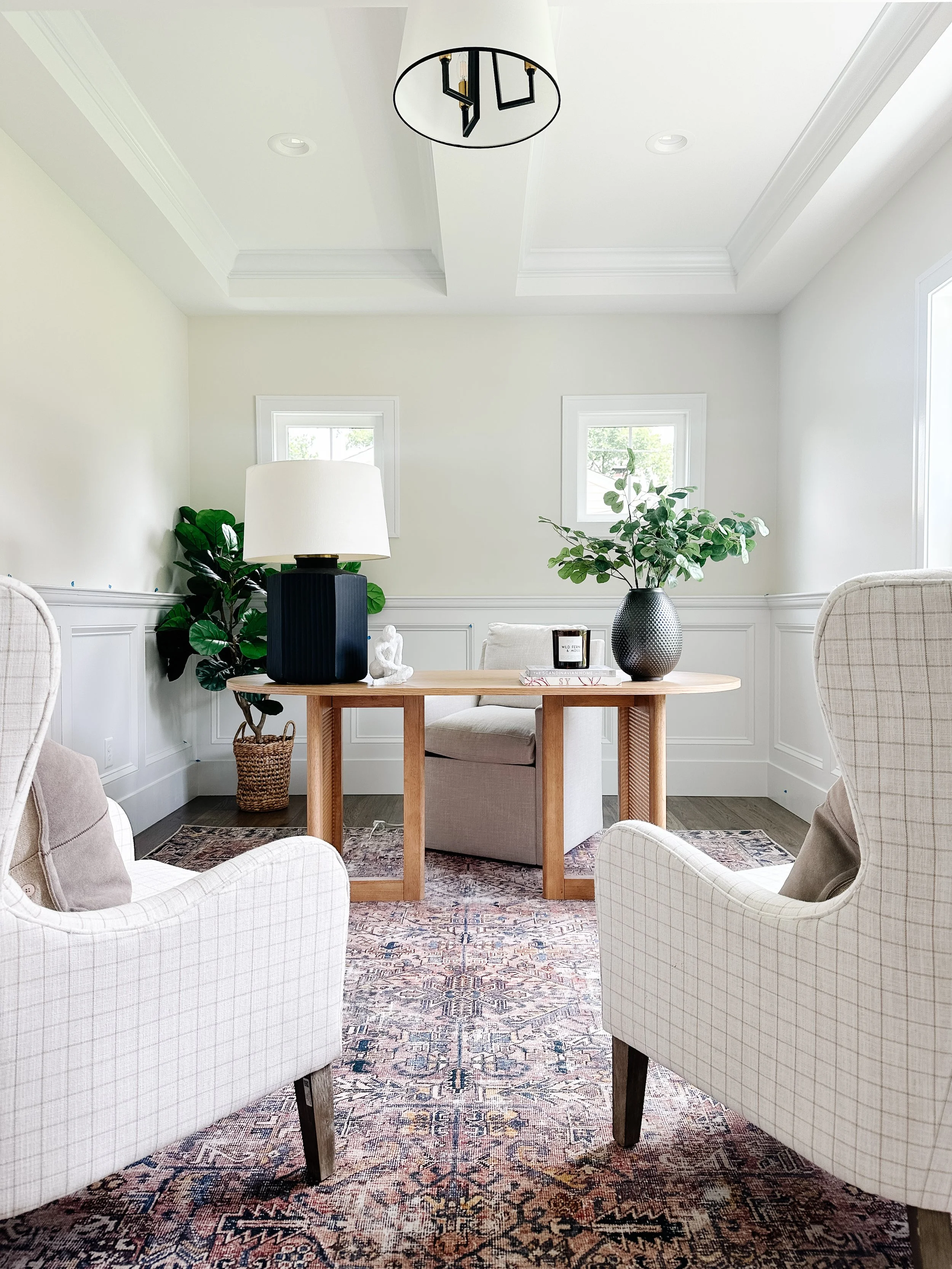
A dedicated home office with custom millwork. Positioned for privacy and functionality, the office reinforced how the home supports modern lifestyles, particularly for buyers who value work-from-home flexibility.
Custom built-ins paired with a dramatic wall of windows in the great room. The built-ins provided visual balance and functional anchoring in the two-story space, allowing the full window wall and stone fireplace to remain the focal points without overwhelming the room.
A cohesive, high-end finish palette throughout the home. Oiled European white oak floors flowed through the main level and upstairs hallway, while secondary bathrooms featured unique, on-trend shower tile selections that maintained a custom feel beyond the primary suite.
Why Buyers Responded
Buyers responded to how clearly the home communicated both luxury and livability. Each primary space had a defined purpose — from formal entertaining to daily work and relaxed gathering — while thoughtful details in secondary areas reinforced the sense that no part of the home was treated as an afterthought. The consistent level of finish throughout made the home feel intentionally designed rather than selectively upgraded.
Builder Takeaway
Homes at this scale benefit from clearly defined spaces that help buyers quickly understand how the home functions. Incorporating standout elements early in the floor plan, investing in architectural details like built-ins and millwork, and extending custom finishes into secondary spaces all contribute to stronger first impressions, better photography, and increased buyer confidence in new construction homes.
Project #2: Modern Prairie–Style New Construction in Kirkwood
The Home
Located in Kirkwood, this 5-bedroom, 4.5-bath modern prairie–style home offered 4,870 square feet of thoughtfully designed living space. Built by Dave Molner, owner of Molner Homes, the residence represented a deliberate departure from the modern farmhouse trend, drawing architectural inspiration from Frank Lloyd Wright’s prairie-style principles. Featured in Kirkwood Lifestyle Magazine. Listed and sold by Andrea Maddock, Janet Mcafee Real Estate Top Agent.
What Worked
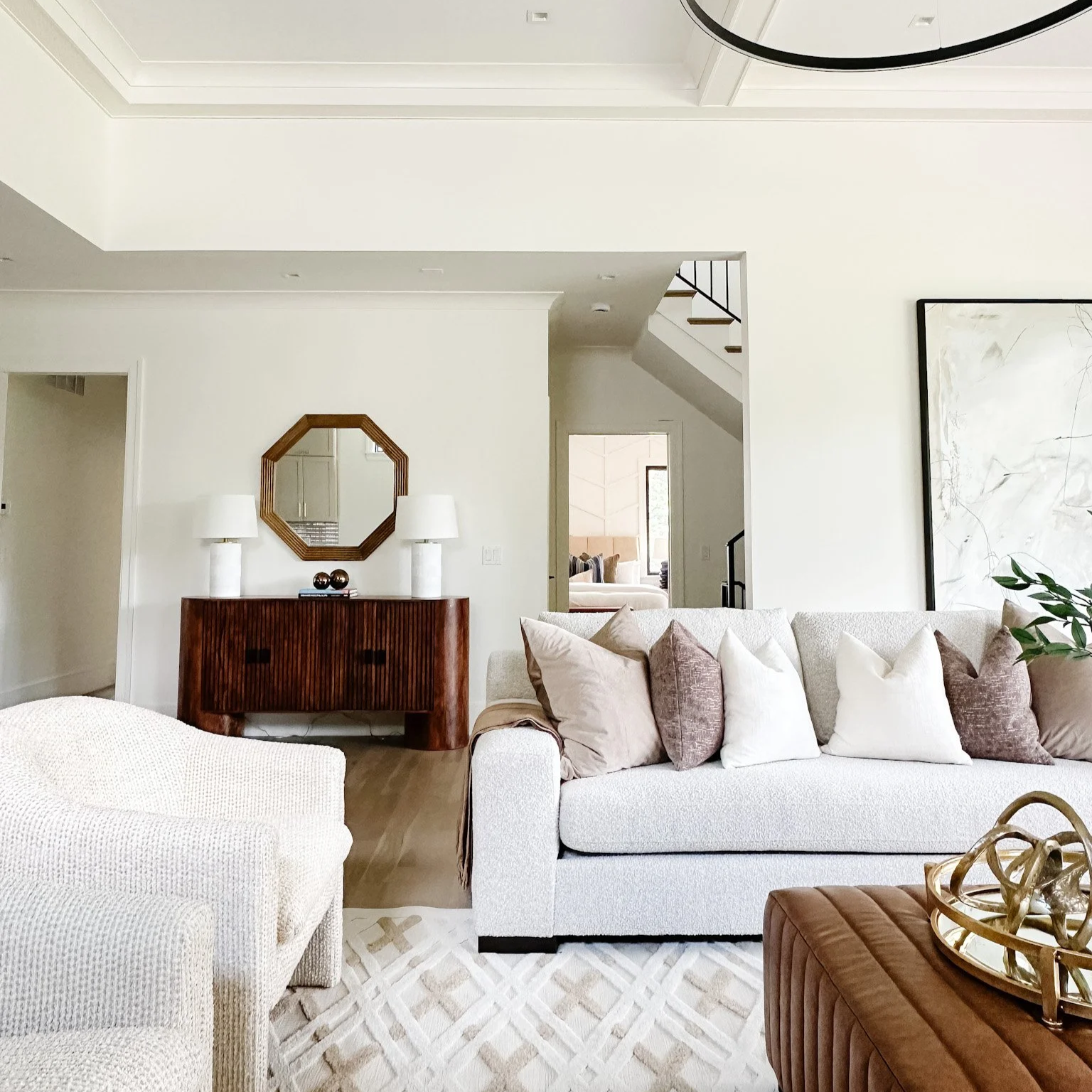
A distinctive architectural direction that stood out in the local market. The modern prairie design — defined by strong horizontal lines, deep overhangs, and a grounded presence — offered visual contrast to more common farmhouse silhouettes while still feeling timeless and approachable for St. Louis buyers.
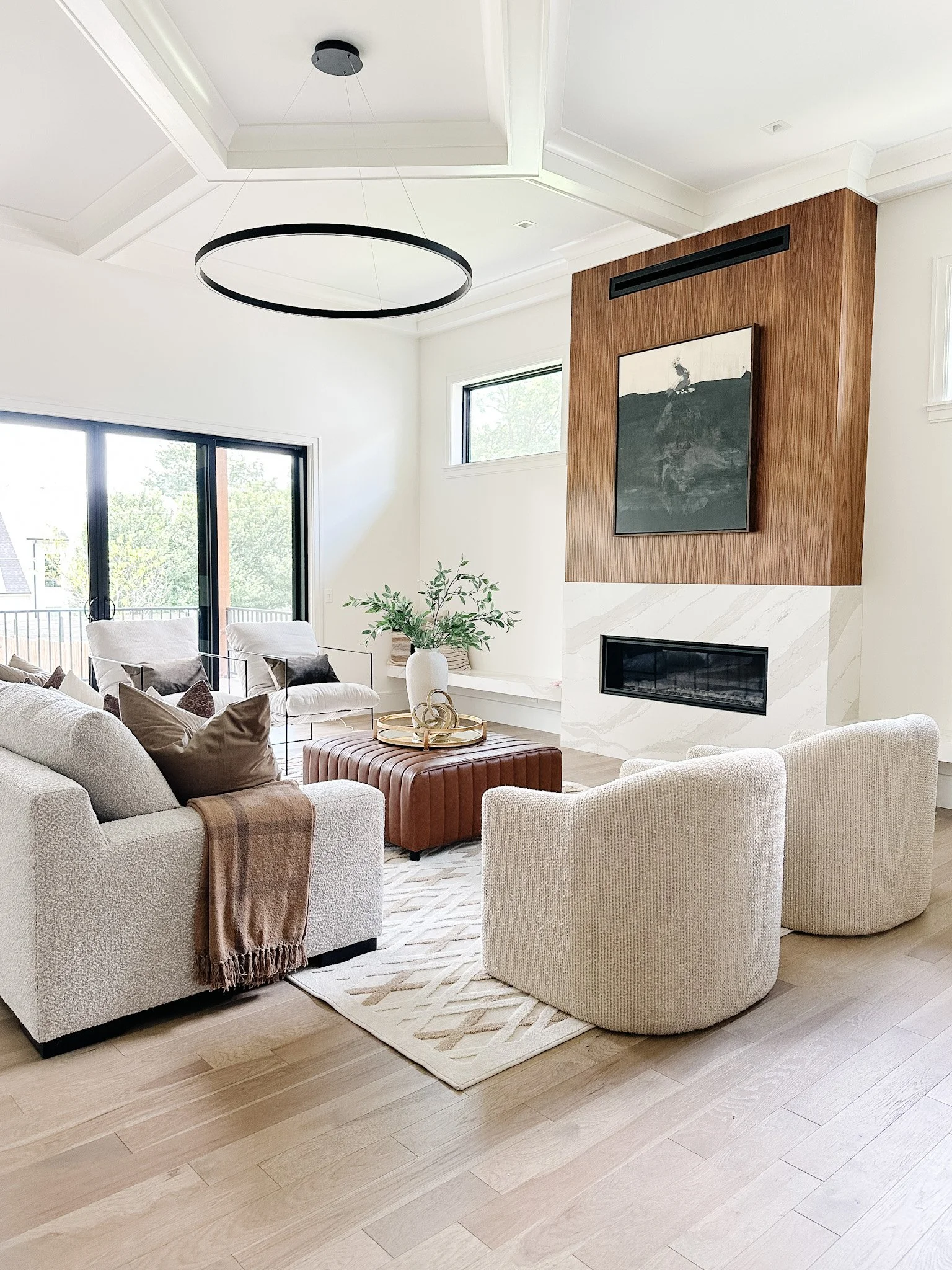
Intentional use of walnut as a unifying design element. Rich walnut wood appeared throughout the home, most notably in the custom fireplace surround set atop Cambria stone and carried into the kitchen through warm cabinetry, a custom walnut range hood, and a vertically grooved backsplash that echoed the wood’s linear grain.
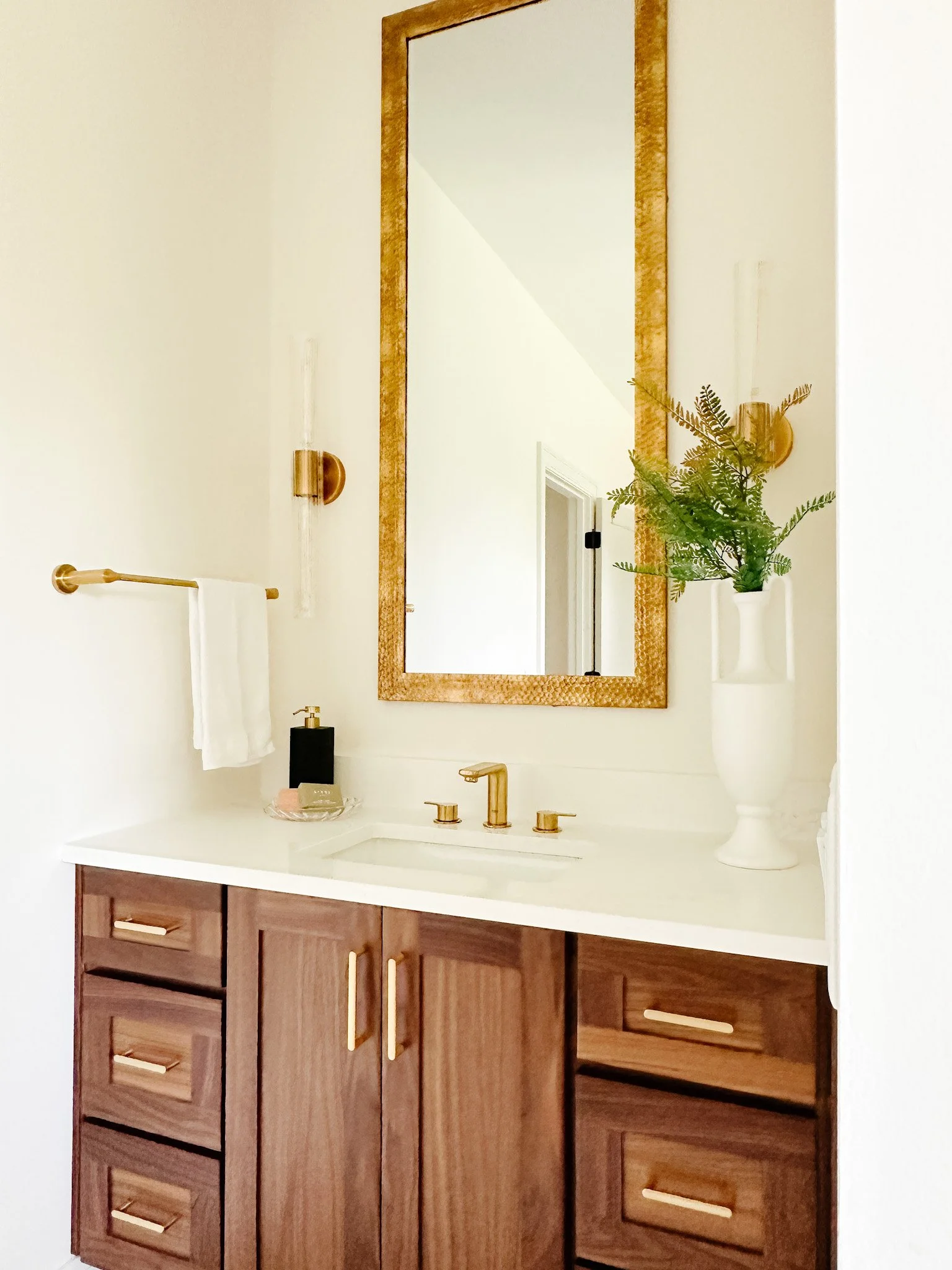
A dramatic yet welcoming entry sequence. The 42-inch-wide mahogany front door opened into a soaring great room with 12-foot ceilings and a custom-designed ceiling treatment, immediately establishing scale, craftsmanship, and architectural intent.
Flexible, lifestyle-driven spaces across all levels. A main-floor primary suite with dual vanities and separate walk-in closets supported long-term livability, while the finished lower level added more than 1,500 square feet of adaptable space, including a bedroom, full bath, kitchenette, and multiple functional zones.
Why Buyers Responded
Buyers responded to the home’s sense of authenticity and cohesion. The consistent material palette, architectural detailing, and warm wood tones created a space that felt custom, grounded, and thoughtfully designed rather than trend-driven. Indoor-outdoor connections — from the inviting front porch accessed through the dining room to the expansive covered rear deck — reinforced a lifestyle-focused approach that resonated with buyers seeking both design and livability.
Builder Takeaway
In established markets like Kirkwood, differentiated architecture paired with a cohesive material story can help new construction stand out without alienating buyers. Thoughtful departures from dominant trends, when executed with restraint and consistency, create homes that feel intentional, memorable, and well-suited to their neighborhood — especially when supported by strong presentation and marketing.
Project #3: Transitional Whole-Home Renovation in the Ladue School District
The Home
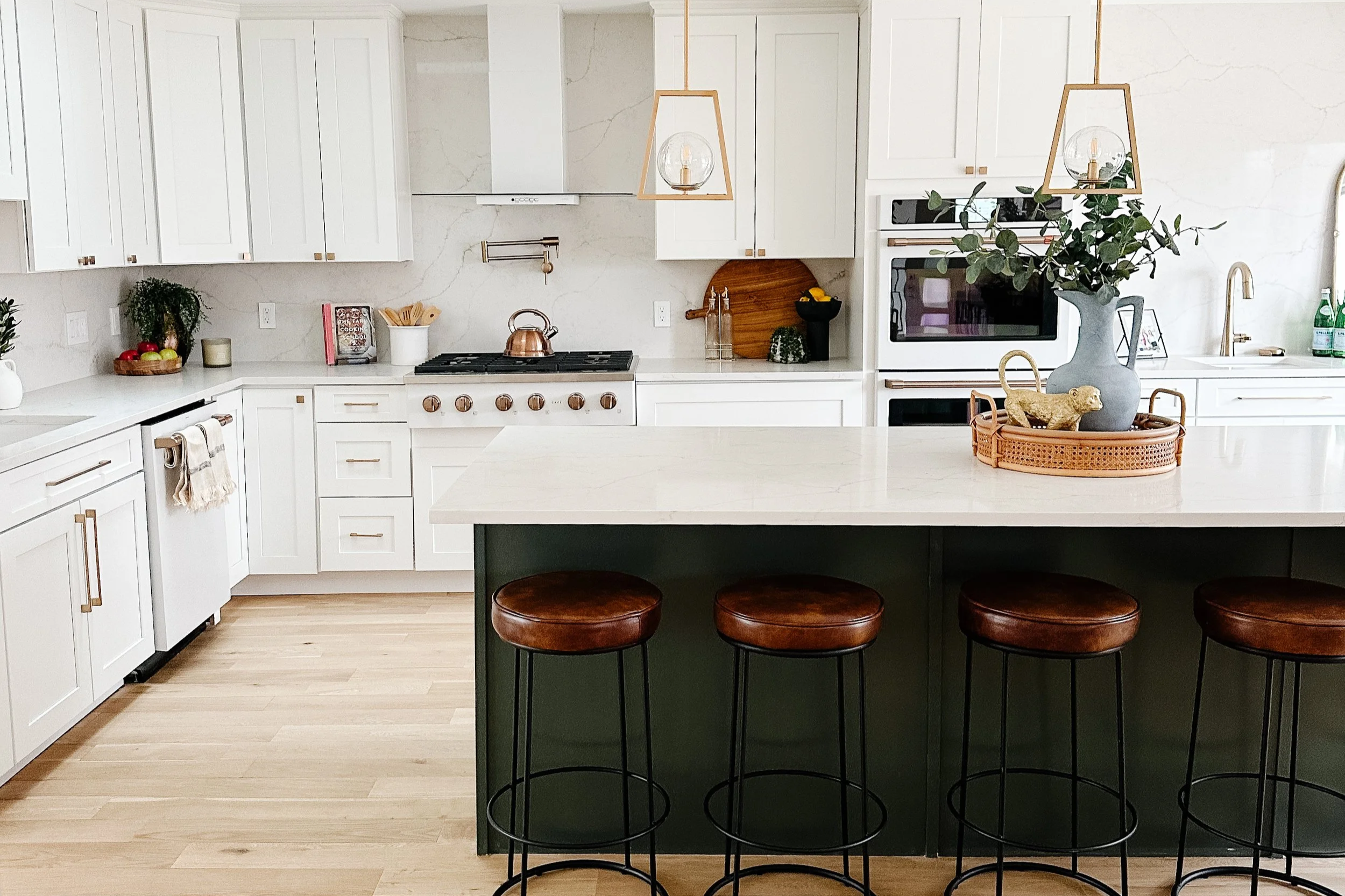
This fully renovated ranch-style home in the Ladue School District offered over 4,000 square feet of finished living space, with five bedrooms designed to appeal to today’s St. Louis buyers seeking both functionality and flexibility.
What Worked
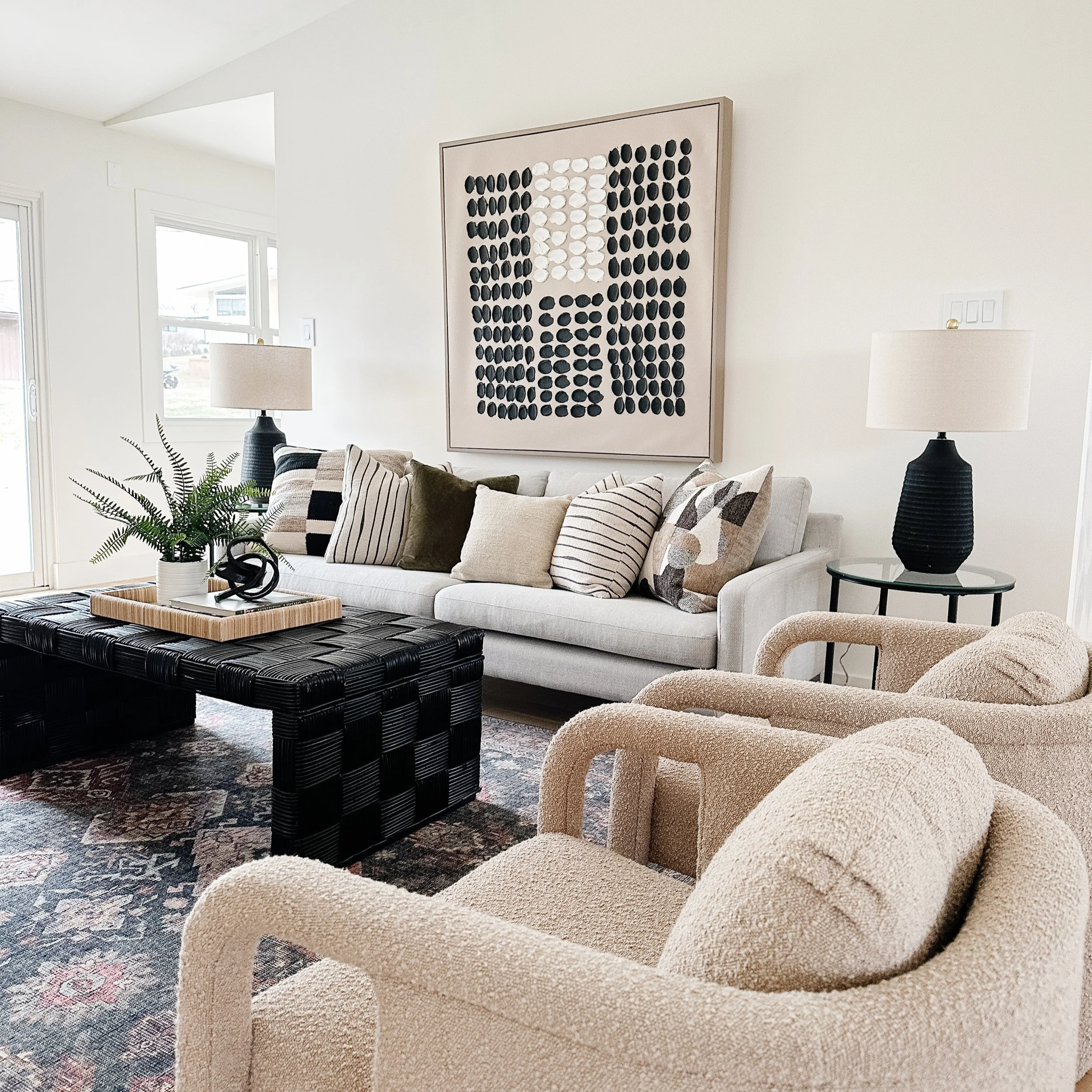
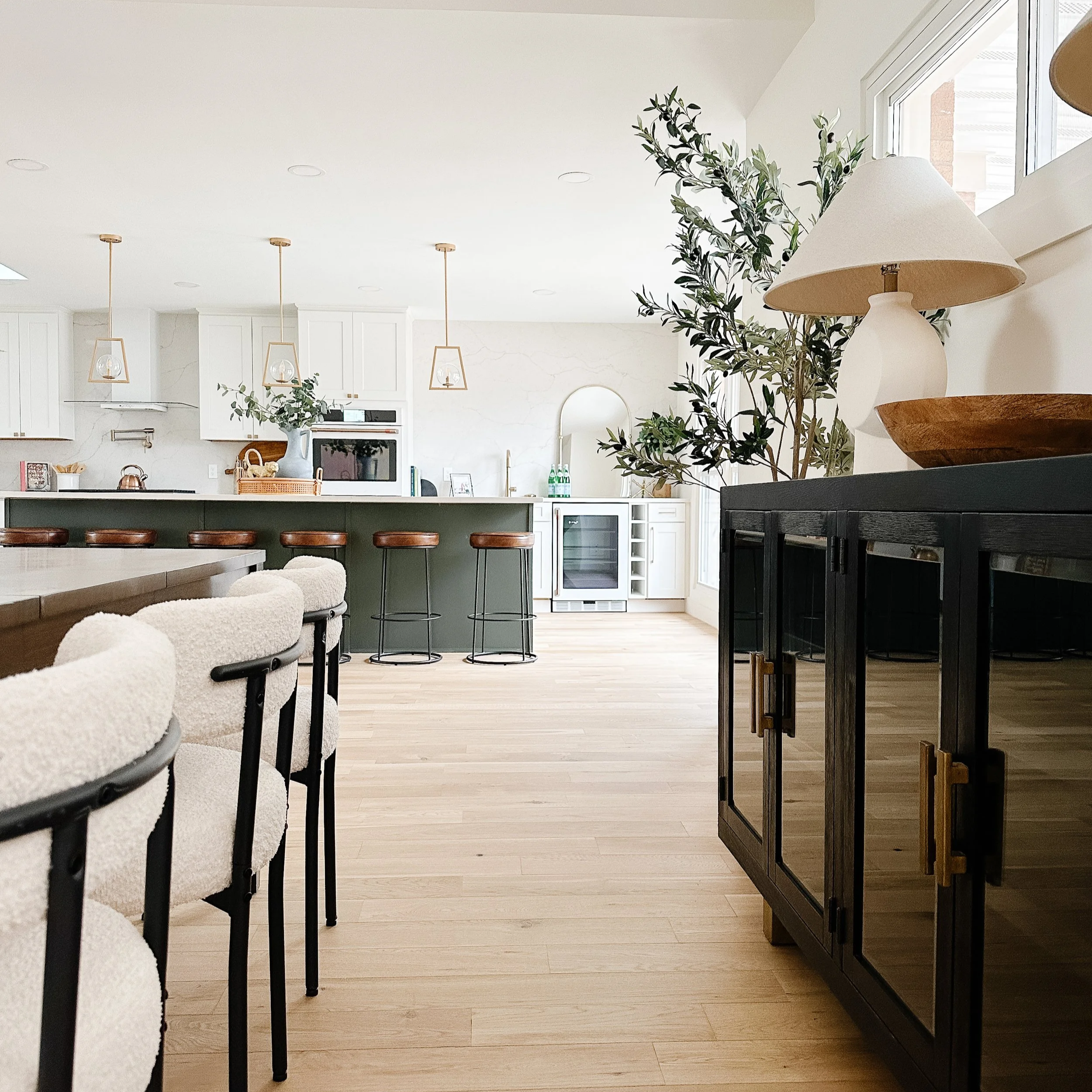
A kitchen designed for modern buyers and entertaining. The bright white kitchen featured statement lighting, a contrasting oversized island, and a built-in wine cooler — on-trend elements that elevated the space while remaining timeless for resale.
Intentional staging in the open-concept living and dining areas. Proper furniture scale helped define separate zones within the open floor plan, allowing buyers to clearly visualize where a dining table, seating area, and television would fit — a common challenge in larger new construction and renovated homes.
Why Buyers Responded
The kitchen served as a strong focal point, creating an immediate sense of luxury and livability that resonated with families and buyers who value entertaining. The fully finished basement added meaningful, usable square footage, reinforcing the home’s versatility and supporting a wide range of buyer lifestyles.
Builder Takeaway
In both renovated and new construction homes, investing in a few well-executed, on-trend kitchen features can significantly enhance listing photos and online engagement. Pairing those features with strategic staging in primary living spaces helps remove buyer hesitation by clearly demonstrating how open-concept layouts function in real life — an important factor in driving confident showings and offers.
What These Projects Had in Common
While each home had its own style and buyer profile, the strongest new construction projects shared several key traits:
Clear furniture scale in open-concept spaces
Buyers immediately understood room size and layout.Defined purpose for secondary rooms
Offices, lofts, and flex spaces felt intentional, not leftover.Consistent design language throughout the home
No jarring transitions between rooms or styles.Presentation that softened modern finishes
Clean lines still felt warm and livable.
These elements helped buyers move from appreciating the finishes to imagining themselves living in the home — an important distinction in new construction.
What Builders Can Take Into 2026
Looking ahead, these projects reinforce an important point: staging works best when it’s treated as part of the marketing strategy, not an afterthought.
Planning for staging early allows homes to photograph better, show more confidently, and feel complete when buyers walk through. Even modest presentation choices can significantly influence how quickly buyers understand the space and its value.
For builders, the goal isn’t to over-style — it’s to remove friction from the buying decision.
A Resource for Builders and Listing Agents
As we head into 2026, we’re continuing to work closely with builders and listing agents across the St. Louis area to support strong presentation for new construction homes.
Whether it’s a single spec home or a larger development, thoughtful staging helps homes show their full potential from the moment they hit the market.
If you’re planning new builds this year and want a second set of eyes on presentation, we’re always happy to be a resource.
Olive + Opal Interiors provides new construction and vacant home staging services throughout the St. Louis metro area, working with builders, developers, and real estate professionals to support successful listings.