4/30/26
Vacant Home Staging in St. Louis: Turn Empty Houses into Fast, Top-Dollar Sales
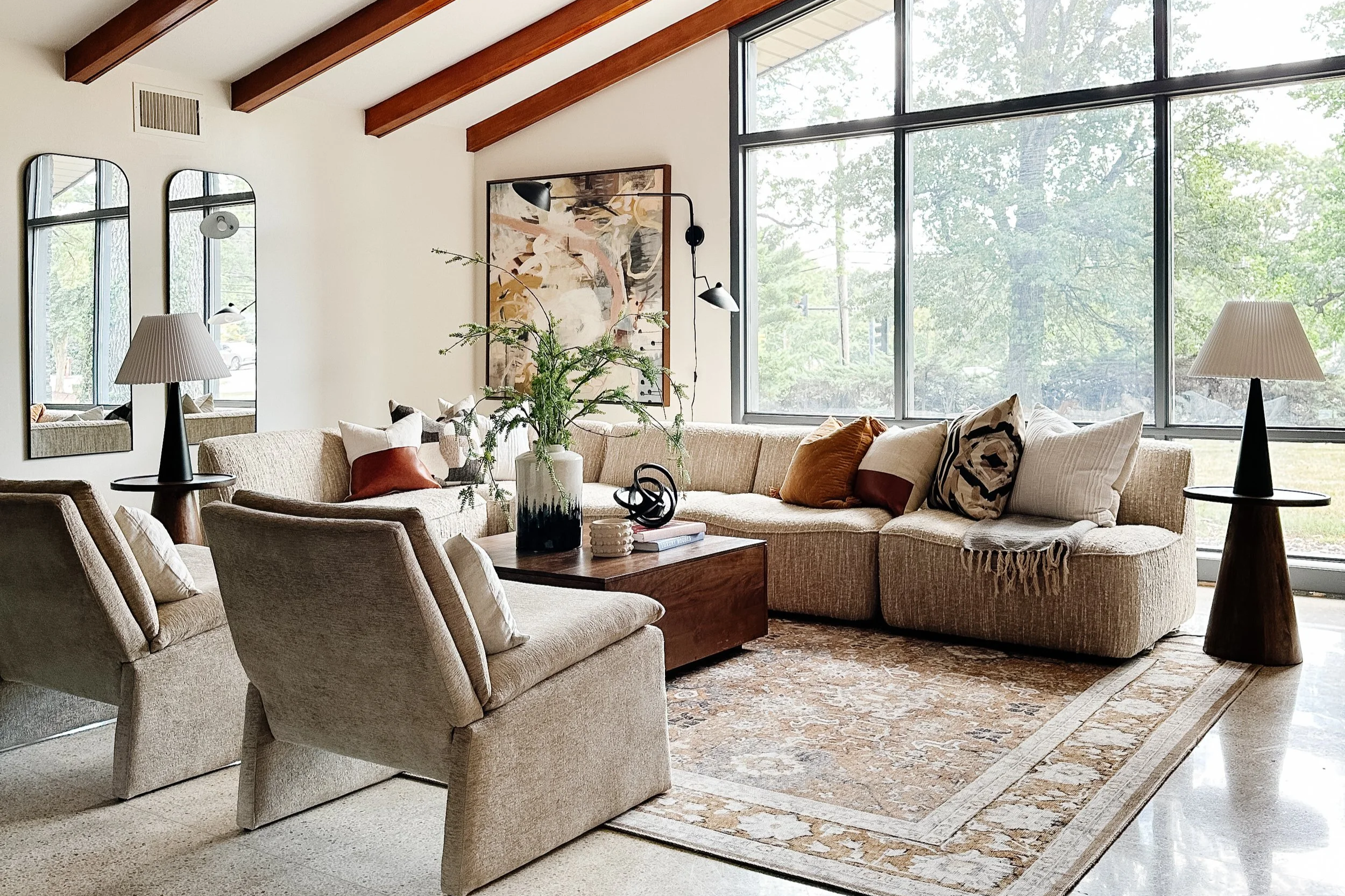
Empty rooms tell no story. In the St. Louis real estate market, where buyers browse dozens of listings before booking a single showing, a vacant home can easily get lost in the scroll. Strategic staging transforms that empty space into a place where potential buyers can picture their life—and that emotional connection drives faster sales and stronger offers.
Why staging a vacant St. Louis home is so important
Vacant staging directly addresses a fundamental problem: empty homes in areas like South City bungalows or Chesterfield two-stories feel cold, smaller than they actually are, and forgettable. Without furniture to provide scale, buyers struggle to gauge room proportions and traffic flow.
This matters especially in St. Louis’s older housing stock. Shotgun layouts, enclosed porches, and awkward additions are common across the City, County, St. Charles, and Metro East. Staging gives buyers visual cues that answer their unspoken questions about how a space functions.
The shift in buyer psychology is measurable. A well-staged vacant property moves buyers from asking “Can I make this work?” to feeling “This is the one.” That emotional commitment translates to more showings and competitive offers.
Recent data backs this up. In 2024–2025 St. Louis analyses, professionally staged listings averaged fewer days on market than comparable unstaged properties. National benchmarks from the Real Estate Staging Association show staged homes achieving 109% sale-to-list ratios and just 19 days on market—trends that mirror what we see locally.
Common challenges with vacant homes in the St. Louis market
During showings of empty rooms, buyers consistently voice the same concerns: “Where would my sectional go?” or “Is this bedroom big enough for a king?” These questions reveal uncertainty—and uncertain buyers don’t write strong offers.
Classic brick homes in neighborhoods like Tower Grove or Maplewood present specific challenges. Without furnishings, these properties feel dim and cramped. The beautiful architectural details get overshadowed by the stark emptiness.
Flips and rehabs in North County or the Central West End face the opposite problem: they look sterile and “too brand new,” which can invite mental discounts from buyers scanning for value.
Vacancy also highlights every flaw. Settling cracks, uneven floors, and older windows become the focus when there’s nothing else to look at—particularly noticeable in 1900–1950s constructions common throughout St. Louis.
Most buyers start their search on their phones, scrolling through MLS feeds, Zillow, and Redfin. Photos of empty homes all look similar and uninviting, causing them to skip past without scheduling a showing.
Key elements of effective vacant home staging
Strong vacant staging in St. Louis balances the home’s style with practical design choices that match neighborhood expectations. It’s about telling a lifestyle story that resonates with your target buyer profile.
-
Young professionals browsing in Soulard want urban energy
-
Families searching in Ballwin need functional family room layouts
-
Downsizers in Kirkwood appreciate cozy simplicity
Scale and traffic flow matter enormously in classic St. Louis floor plans. Many feature narrow living rooms or small formal dining areas that require carefully proportioned furniture placement to feel right.
Define each space
Ambiguous rooms kill deals. Enclosed porches, attic conversions, and finished basements are common in St. Louis—and buyers struggle to envision their use without help.
Consider a finished South City attic. Staged as a home office, it appeals to remote workers. Styled as a teen suite, it attracts growing families. The staging decision should match your target buyer.
In open-plan rehabs in areas like Arnold or O’Fallon, rugs and furniture groupings carve out distinct living, dining, and workspace zones. This clarity helps agents during showings and gives buyers instant understanding of how they could live in the home.
Use neutral, cohesive furniture and decor
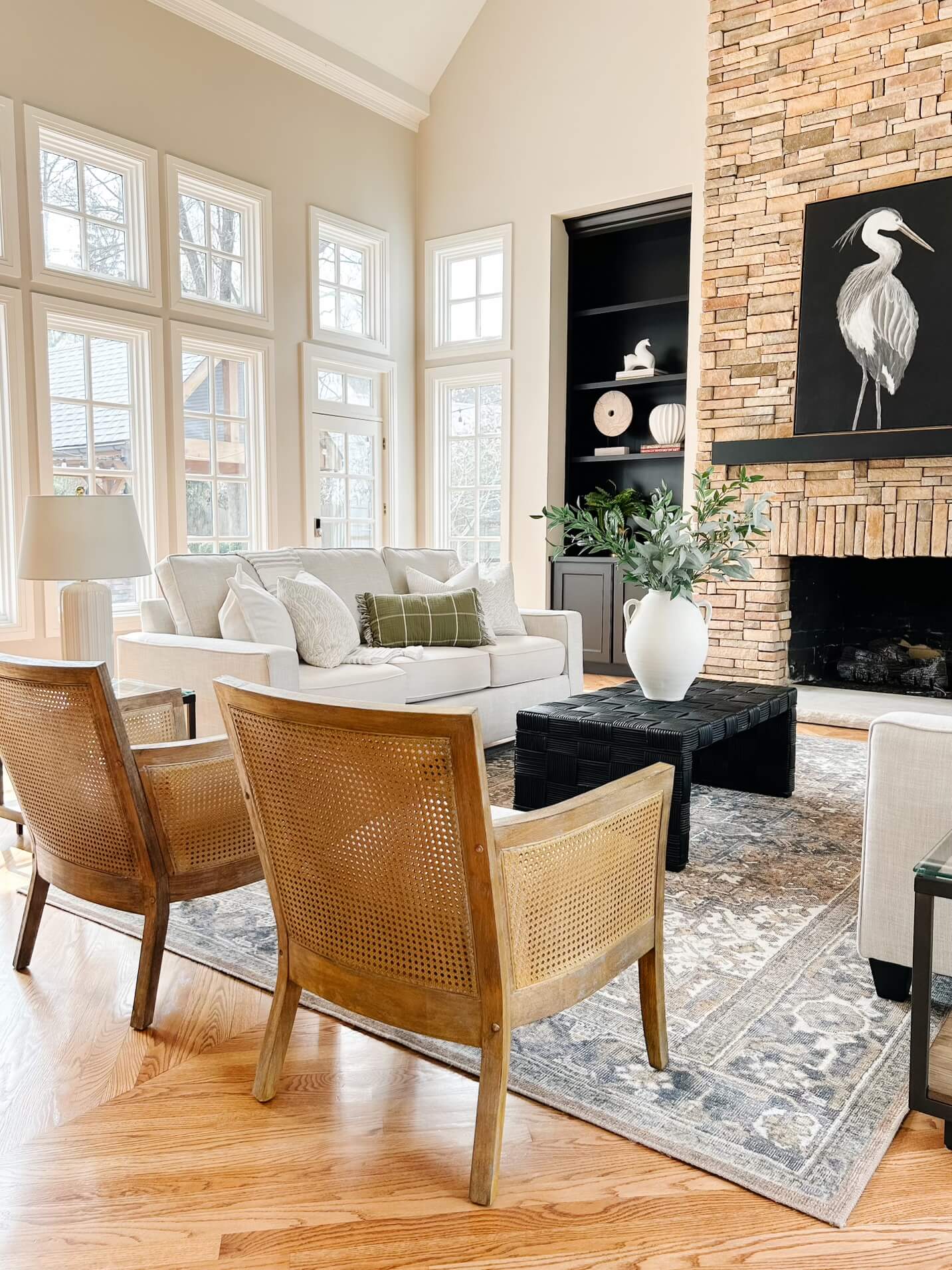
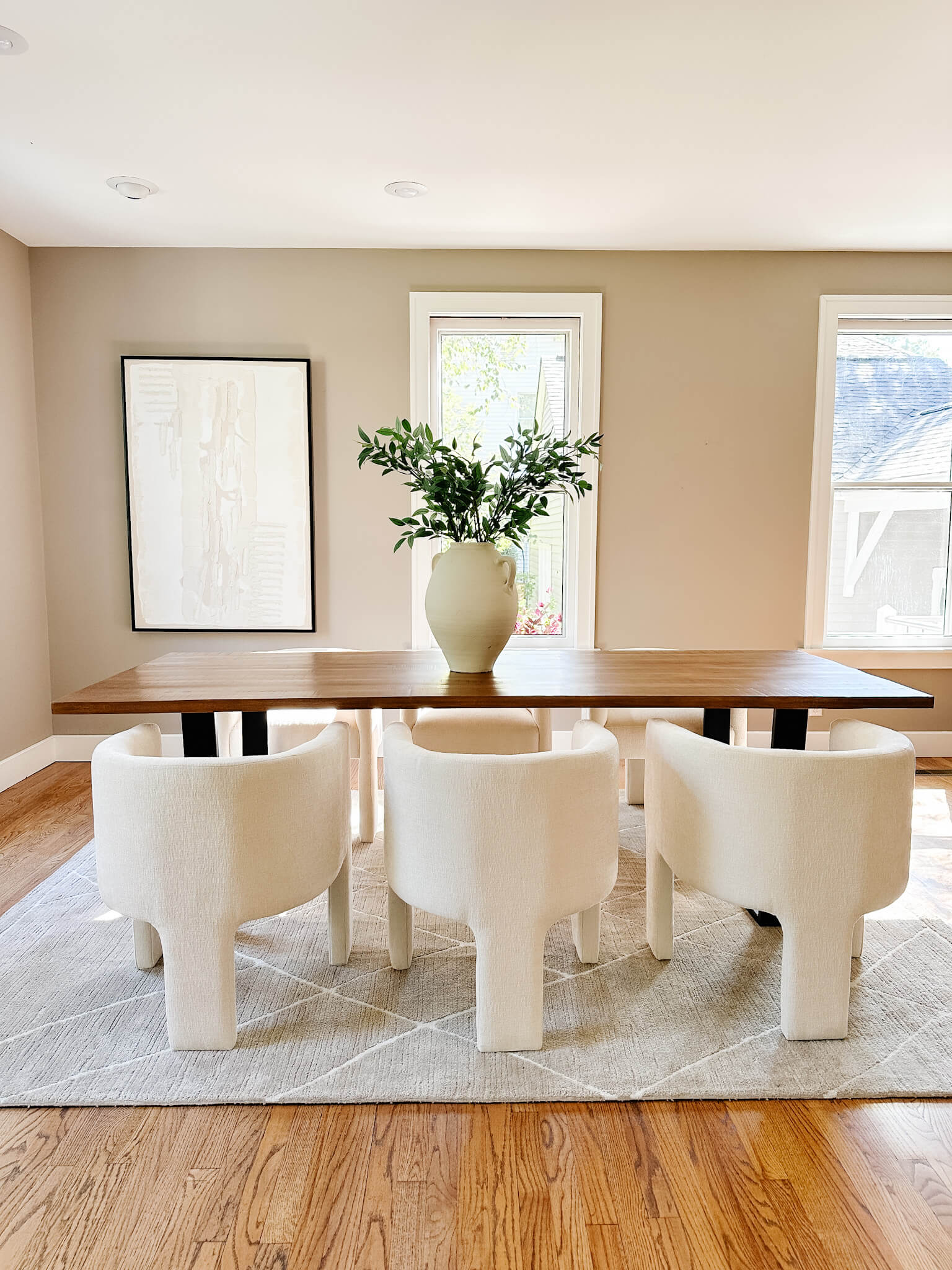
St. Louis buyers respond best to light, neutral foundations—whites, warm grays, greiges—with subtle color pops rather than extreme trends. Think clean-lined sofas, wood coffee tables, and simple upholstered beds that work equally well in 1920s brick and 1990s subdivisions.
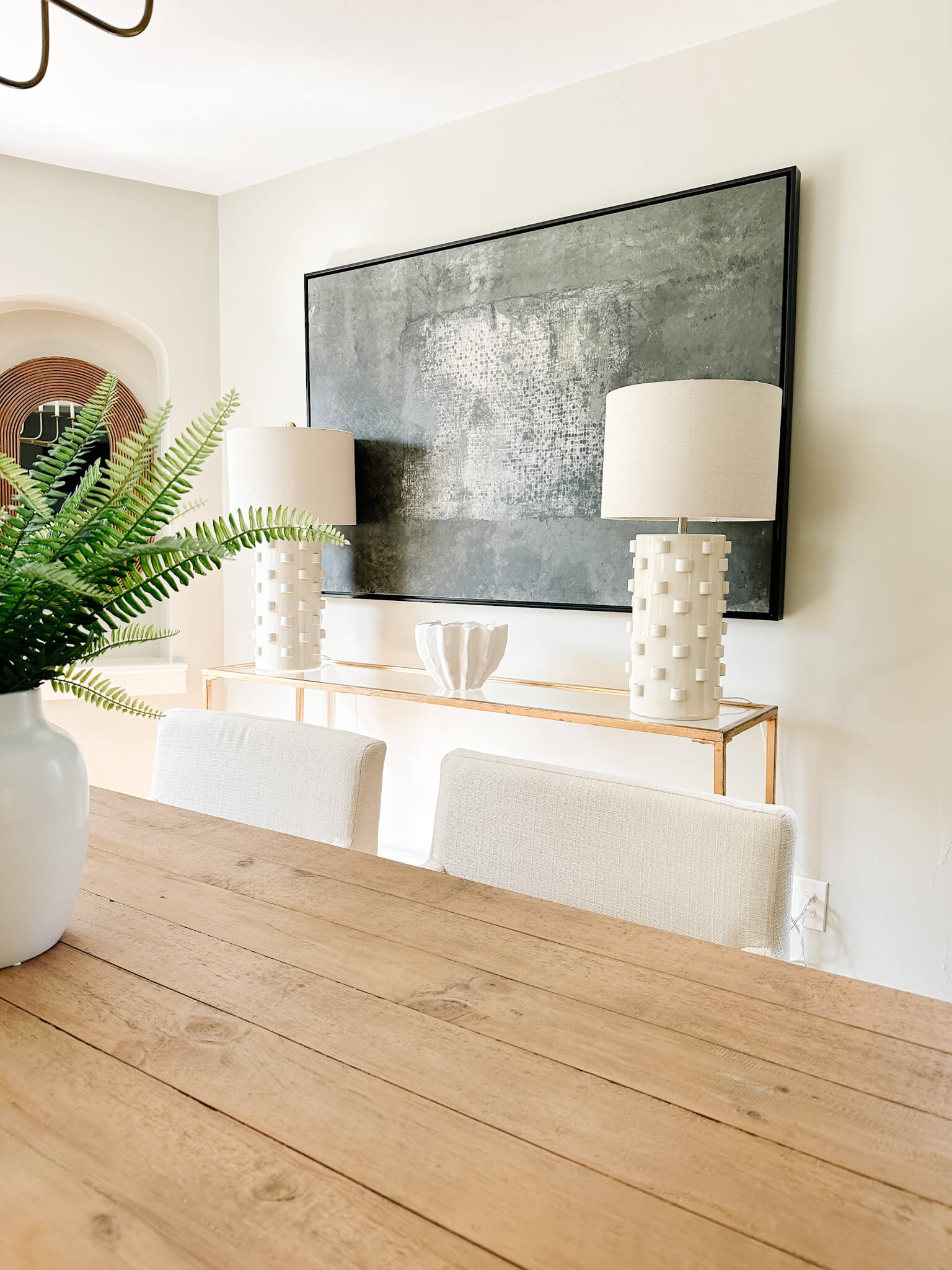
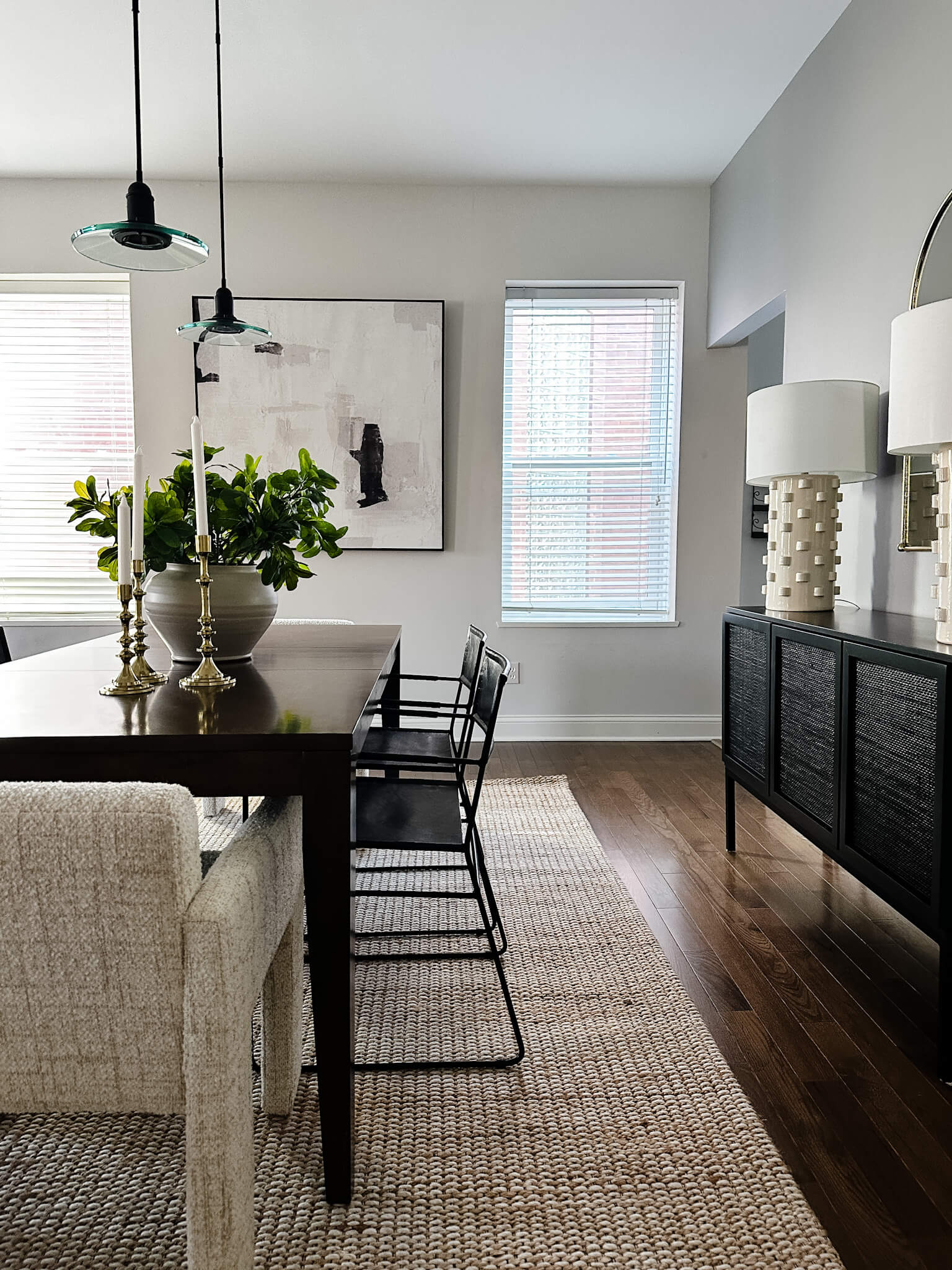
Cohesive decor from room to room prevents the “patchwork” feel common when sellers attempt DIY staging with mismatched pieces. Art should be contemporary and region-neutral: abstracts, nature scenes, or architectural prints that enhance rather than compete with St. Louis character features like exposed brick, stained glass, and arches.
Layer in warmth
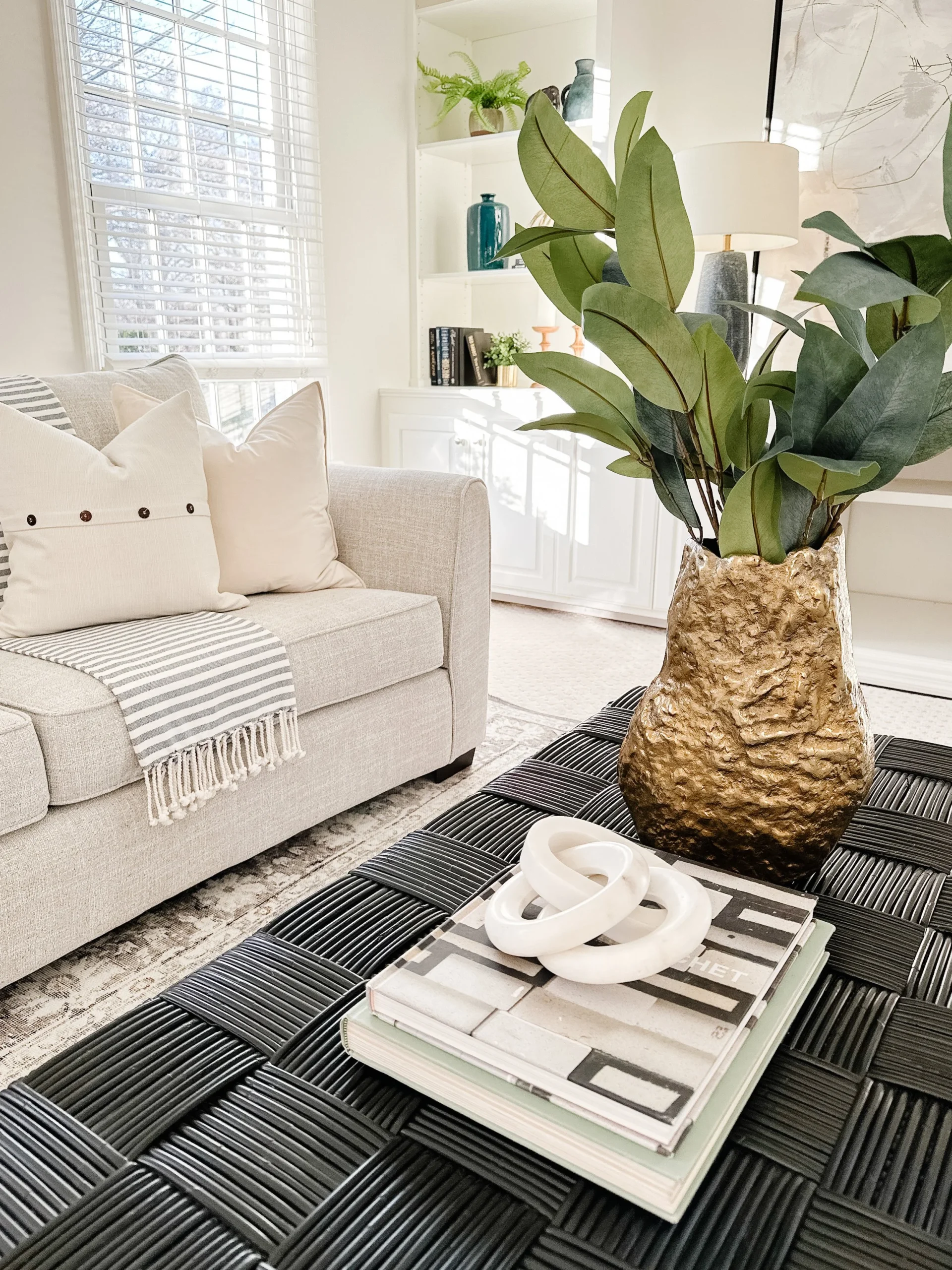
Vacant hardwood floors and freshly painted walls can feel echoey and cold—especially in St. Louis rehabs. Combat this with:
-
Area rugs to anchor seating areas
-
Throws (a cream knit on a charcoal sofa, for example)
-
Upholstered chairs and soft bedding
-
Greenery, real or high-quality faux, to add life
In winter months, warm layers photograph better and make showings in gray St. Louis weather feel inviting rather than sterile.
Light it right
Many St. Louis homes were built before modern lighting standards, leaving basements and center rooms feeling dim. Address outdated light fixtures—especially the brass or frosted-glass options common in 1970s–1990s houses—with simple, modern replacements.
Layer your lighting: overhead fixtures plus floor and table lamps in living rooms, bedrooms, and lower levels. Clean windows and open blinds capture natural light for daytime showings and listing photos.
In narrow row houses or shotgun layouts, mirrors strategically placed bounce light and make the space feels larger.
DIY vs. professional vacant home staging in St. Louis
DIY staging for vacant homes
DIY staging works best for smaller properties when sellers live locally and can access furnishings. Instead of fully furnishing every room, rent or borrow key pieces: a sofa, dining set, and one bed.
Simple rules for success:
-
Stick to one color palette throughout
-
Avoid oversized furniture that crowds rooms
-
Don’t mix too many styles
A one-time consultation with a professional stager can provide a game plan and priority list. Don’t forget deep cleaning, minor repairs, and exterior decluttering—the porch, steps, and alley side matter for first impressions.
Professional staging for vacant homes
Professional staging is ideal for higher-priced St. Louis homes, new construction, estates, and investor flips. A local staging company brings furniture scaled for St. Louis room sizes and neighborhood-savvy decor choices.
Pros manage everything: design plan, delivery, installation, and removal. For out-of-town owners or occupied homes transitioning to vacant, this reduces stress significantly.
In fast-moving markets like Clayton or Webster Groves, professional staging can secure multiple offers the first weekend. One Brentwood bungalow sat vacant for 45 days before the seller invested in staging—it sold in under 10 days after.
The ROI of vacant home staging in St. Louis
Staging is an investment, not just a cosmetic expense. In St. Louis’s price-sensitive market, the numbers consistently favor staged homes over their unstaged counterparts.
National data shows staged homes sell 51% faster (23 days vs. 47 days) and achieve 4.8% higher sale prices. RESA’s Q3 2025 data revealed a 3,551% ROI on average staging investments of $3,813.
For mid-range St. Louis price points ($250k–$500k), a few thousand dollars in staging can prevent multiple price cuts of $10k–$20k. Staged homes also photograph better for MLS, Zillow, and social media, generating more in-person showings.
Beyond price, shorter time on market means lower carrying costs: utilities, taxes, insurance, and stress. That’s the complete picture of a successful sale.
Final touches before showings and photos
Even beautifully staged vacant properties need last-minute prep:
Pre-photo checklist:
-
Professional cleaning with fresh vacuum lines
-
Dust-free surfaces and streak-free windows
-
Neutral scent control (avoid heavy candles)
-
All lights on, blinds open
-
Consistent temperature (critical in humid St. Louis summers and cold winters)
Curb appeal touches:
-
Simple front porch mat
-
Seasonal wreath
-
Fresh mulch and trimmed shrubs
-
Fresh flowers by the entry
These details create the inviting atmosphere that makes buyers imagine relaxing in their new home.
Frequently asked questions about vacant home staging in St. Louis
Do I really need to stage a vacant home in St. Louis?
While not legally required, staging is strongly recommended for most vacant homes above entry-level price points. In competitive suburbs like Kirkwood, Webster Groves, Clayton, and Edwardsville, buyers expect move-in-ready, styled spaces. Un-staged vacant properties tend to invite low offers as buyers mentally discount for uncertainty.
How much does vacant home staging cost in St. Louis?
For 2025–2026, expect St. Louis staging packages starting around $636 per room on average, with total costs ranging from a few hundred for key rooms in a small condo to several thousand for full staging. Variables include square footage, number of rooms, furnishing quality, and duration (typically 60–90 days). View costs relative to potential price reductions if the house sits.
Can I stage just a few rooms instead of the whole house?
Yes—partial staging is common and effective. Focus on the living room, dining room, primary bedroom, and one outdoor space. For a 3-bed South City home, staging just the main level and primary bedroom has consistently generated multiple offers. Secondary bedrooms can remain empty if room dimensions are clearly communicated in the listing.
Does vacant home staging help with online listings?
Absolutely. Most buyers browse on phones, and staged rooms create scroll-stopping photos that drive showing appointments. Professional staging paired with professional photography is the ideal combination for standing out. Real estate agents can also leverage staged listing photos for social media marketing.
How long does it take to stage a vacant home?
Typical timelines: design and scheduling within 5–10 days, installation in a single day for average-sized homes. Larger or multi-level properties may require two days. Coordinate with contractors so staging happens after painting, flooring, and cleaning are complete.
Are there alternatives to full vacant home staging?
Virtual staging offers a lower-cost option to enhance listing photos, though in-person showings remain empty. Partial staging (key rooms only) and light staging (accessories, rugs, art) provide mid-level alternatives. For some investor-owned properties, combining light physical staging with virtual staging balances cost and impact—though full staging delivers the strongest emotional connection and remains a powerful tool for maximizing offers.
Final thoughts
In today’s market, vacant home staging isn’t optional for sellers who want top-dollar results in St. Louis. The data is clear: staged homes sell faster, for more money, with less stress. Whether you choose DIY staging for a modest bungalow or professional services for a substantial property, the investment consistently pays for itself through stronger offers and reduced carrying costs.